Whited Named MASCD Teacher of the Year

AUGUST 2026 | Cambridge, MD

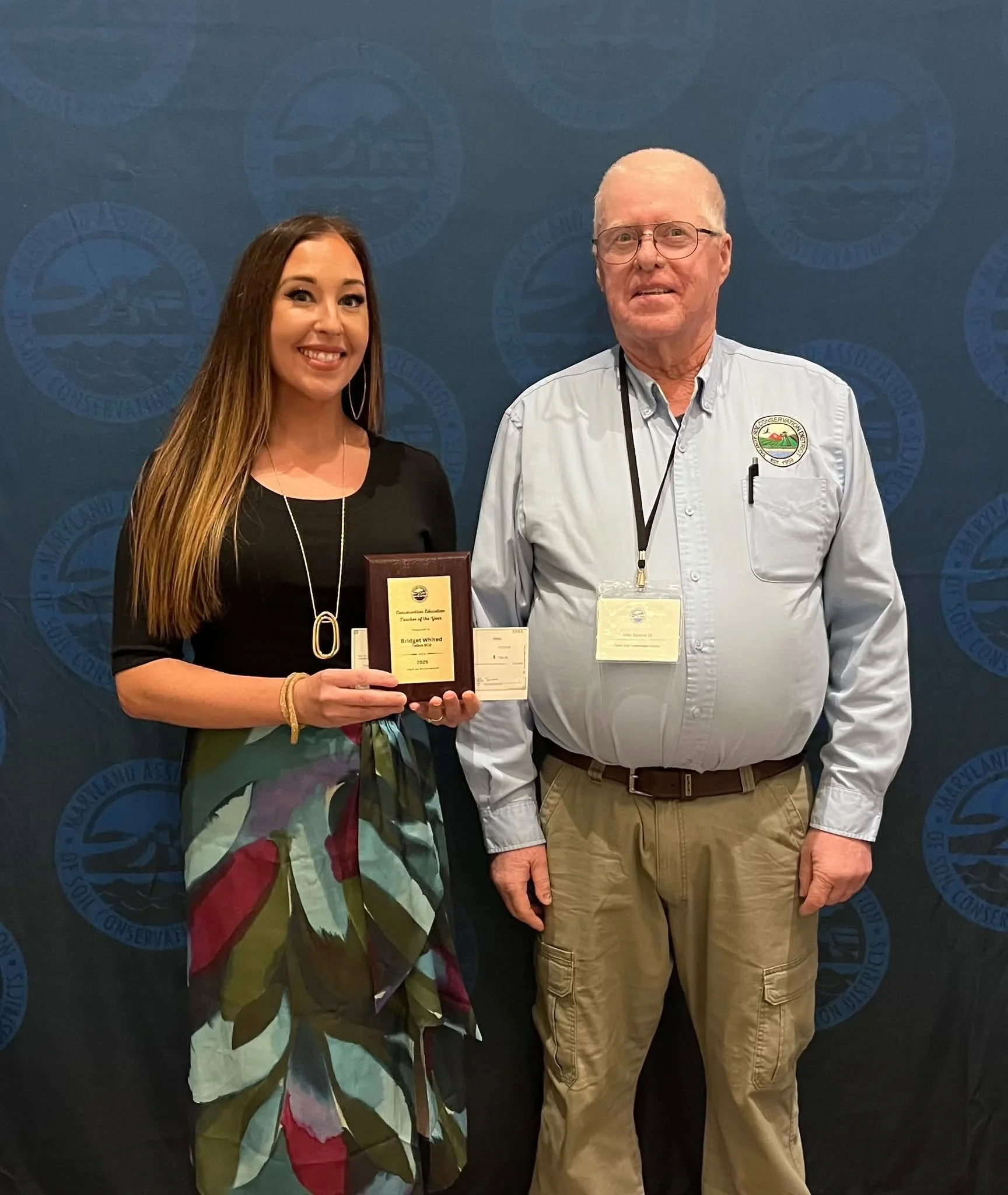
Congratulations to Bridget Whited, a teacher at St. Michaels Middle/High School, on being named the 2026 Maryland Association of Soil Conservation Districts (MASCD) Conservation Education Teacher of the Year!

Ms. Whited is truly deserving of this well-earned recognition. Her dedication to conservation education and inspiring the next generation of environmental stewards has made a lasting impact on her students and our community.

The Talbot Soil Conservation District is proud to support Ms. Whited and celebrate this outstanding achievement. Congratulations on this well-deserved honor!

Pictured with Ms. Whited is John Swaine, III, current MASCD President and Talbot SCD Chairman.


2024 Cooperator of the Year Awarded to Wye Mills Farm Limited Partnership

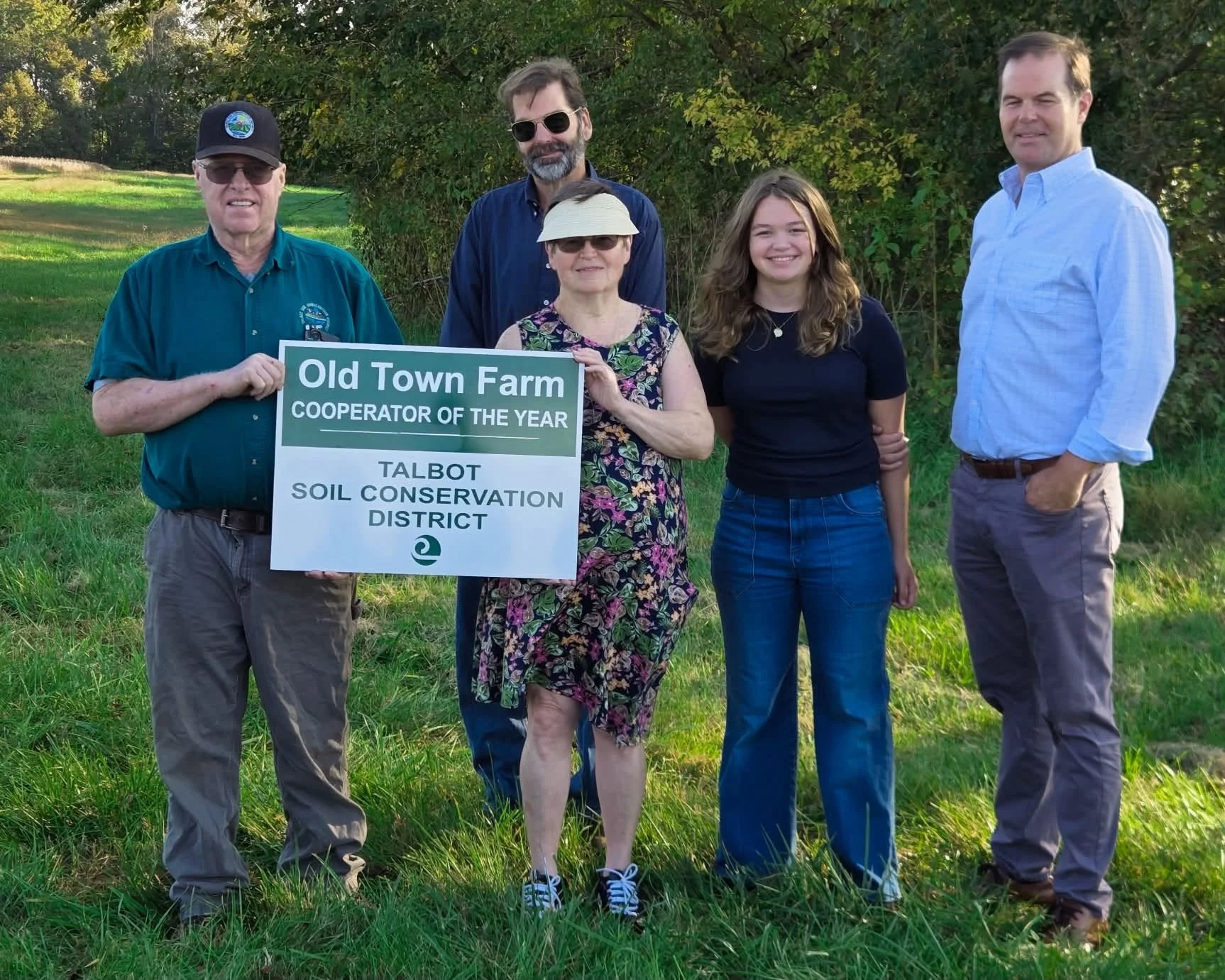
Talbot Soil Conservation District Board of Supervisors is proud to recognize Wye Mills Farm Limited Partnership as our 2024 Cooperator of the Year.

Wye Mills Farm Limited Partnership is owned by Bill Boyd and is a 500+ acre grain operation in the Wye River watershed.

>> Learn more about the Cooperator of the Year


Scholarship Winner Announced

The Talbot Soil Conservation District was proud to present the Roy R. Scott Memorial Scholarship to John Williams, a graduate of Easton High School.

The scholarship was established in memory of Roy R. Scott and reflects the District’s continued commitment to agriculture, conservation, environmental stewardship, and service to the Talbot County community. Through this award, the District is honored to support students who are preparing for their next chapter and who demonstrate the values of hard work, responsibility, and care for the land.


Plan Ahead for Conservation Success

Summer is a good time for producers to review conservation needs for the coming year. Farmers and landowners considering cover crops, grassed waterways, heavy use areas, manure storage, buffers, drainage improvements, wildlife habitat, or other conservation practices are encouraged to contact the Talbot Soil Conservation District early.

Early planning helps ensure that resource concerns are identified, program options are reviewed, and applications or designs can move forward in a timely manner.


USDA Farm Bill Update

Congress continues to work toward a new federal Farm Bill. The U.S. House of Representatives passed its version, the Farm, Food, and National Security Act of 2026, on April 30, 2026. The bill has not yet become law and still requires action by the U.S. Senate before final approval.

The Farm Bill is important to Maryland agriculture because it authorizes many USDA conservation programs used by farmers, forest landowners, and conservation partners. These include programs such as the Environmental Quality Incentives Program (EQIP), Conservation Stewardship Program (CSP), Agricultural Conservation Easement Program (ACEP), Regional Conservation Partnership Program (RCPP), and the Conservation Reserve Program (CRP).

Under the House-passed bill, several conservation programs would be extended through fiscal year 2031. The bill would continue CRP at its current 27-million-acre national enrollment level, emphasize precision agriculture and composting within EQIP and CSP, restore payment limits for EQIP and CSP, and create a new Forest Conservation Easement Program.

For Maryland producers, the practical message is that conservation planning remains important. NRCS continues to accept applications for programs such as EQIP on a continuous basis, although applications are ranked and funded during specific batching periods. Producers interested in conservation practices, soil health, water quality, forest management, wildlife habitat, or precision agriculture should contact the local USDA Service Center or Soil Conservation District office to begin planning early.

 

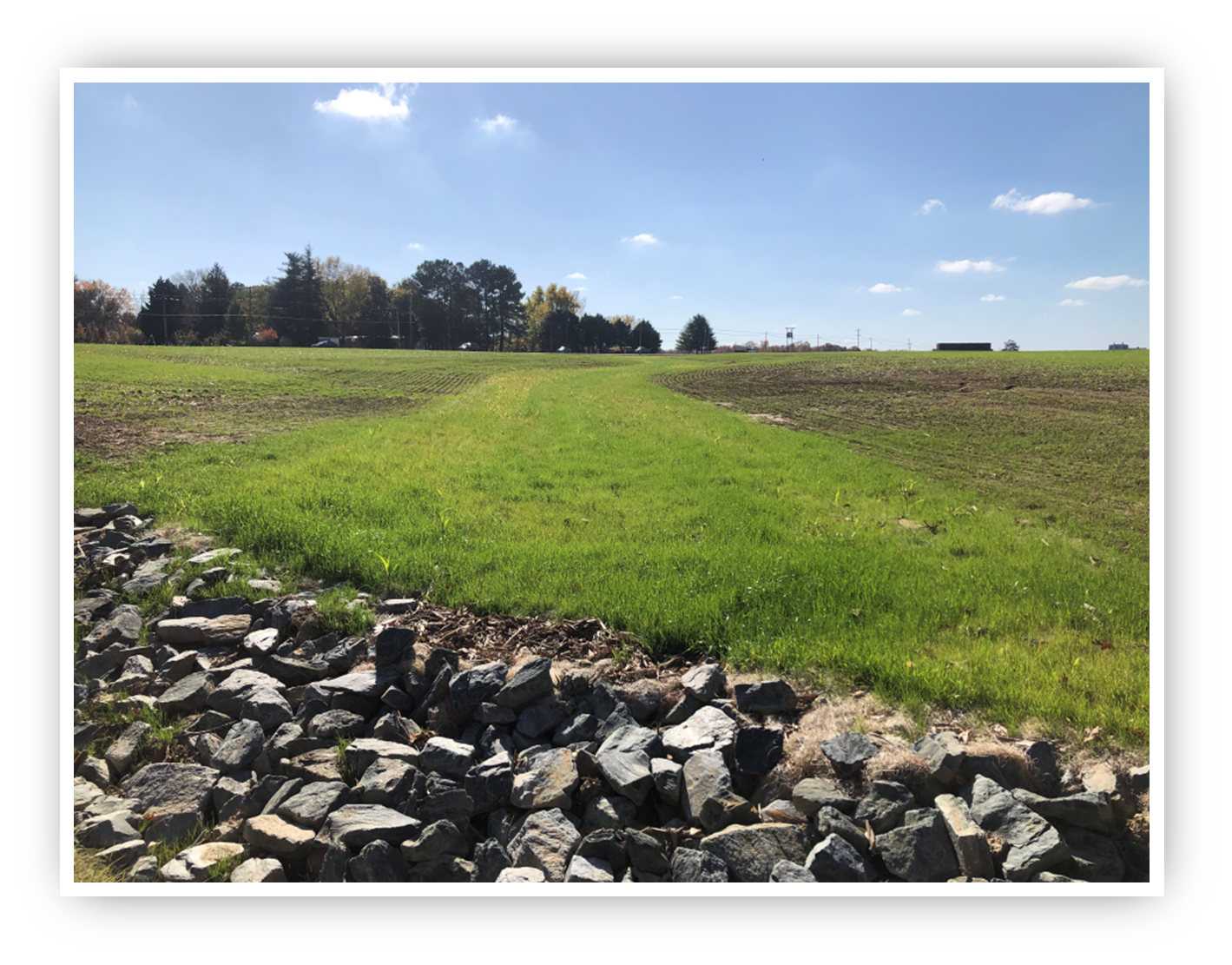
Conservation Practice Spotlight: Grassed Waterways

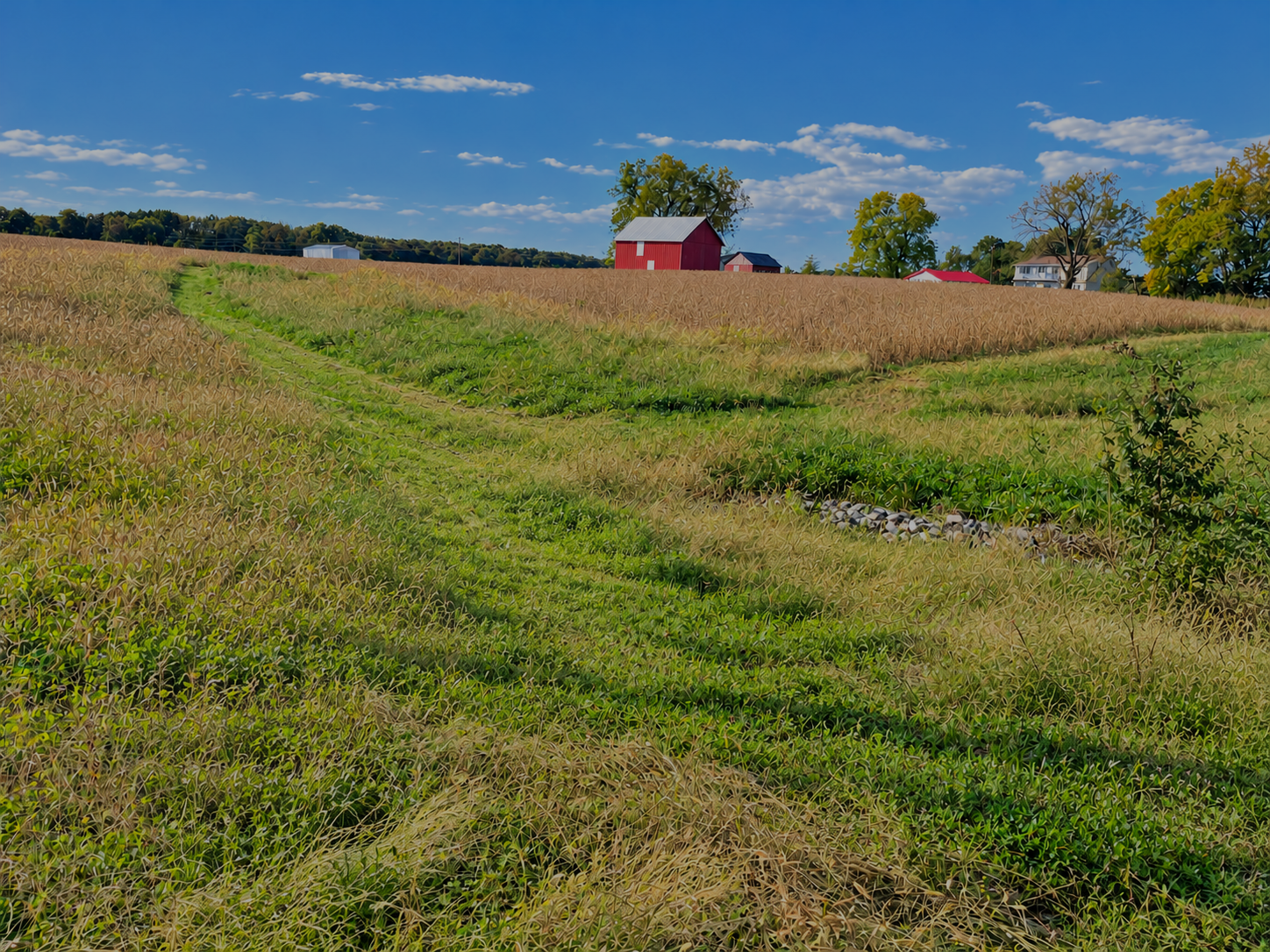
In Talbot County, heavy rains can quickly move across farm fields and create erosion in low areas where water naturally collects. A grassed waterway is a shaped, vegetated channel that helps carry stormwater safely through a field without washing away valuable topsoil.

The grass cover slows runoff, holds soil in place, and helps trap sediment before it reaches nearby ditches, streams, rivers, and ultimately the Chesapeake Bay. For local farms, grassed waterways are a practical way to protect crop ground, improve field conditions, and support water quality.

Like any conservation practice, grassed waterways work best when they are maintained. Producers should watch for bare spots, ruts, sediment buildup, or areas where water is cutting around the waterway after storms.

If you are seeing washouts or erosion in your fields, contact the Talbot Soil Conservation District to discuss whether a grassed waterway or another conservation practice may be a good fit for your farm.


Talbot Soil Conservation District, which formed in 1958, is a sub-division of state government and is one of 23 Conservation Districts throughout the State of Maryland.